
Blog
How to Roll a Joint: A Step by Step Guide
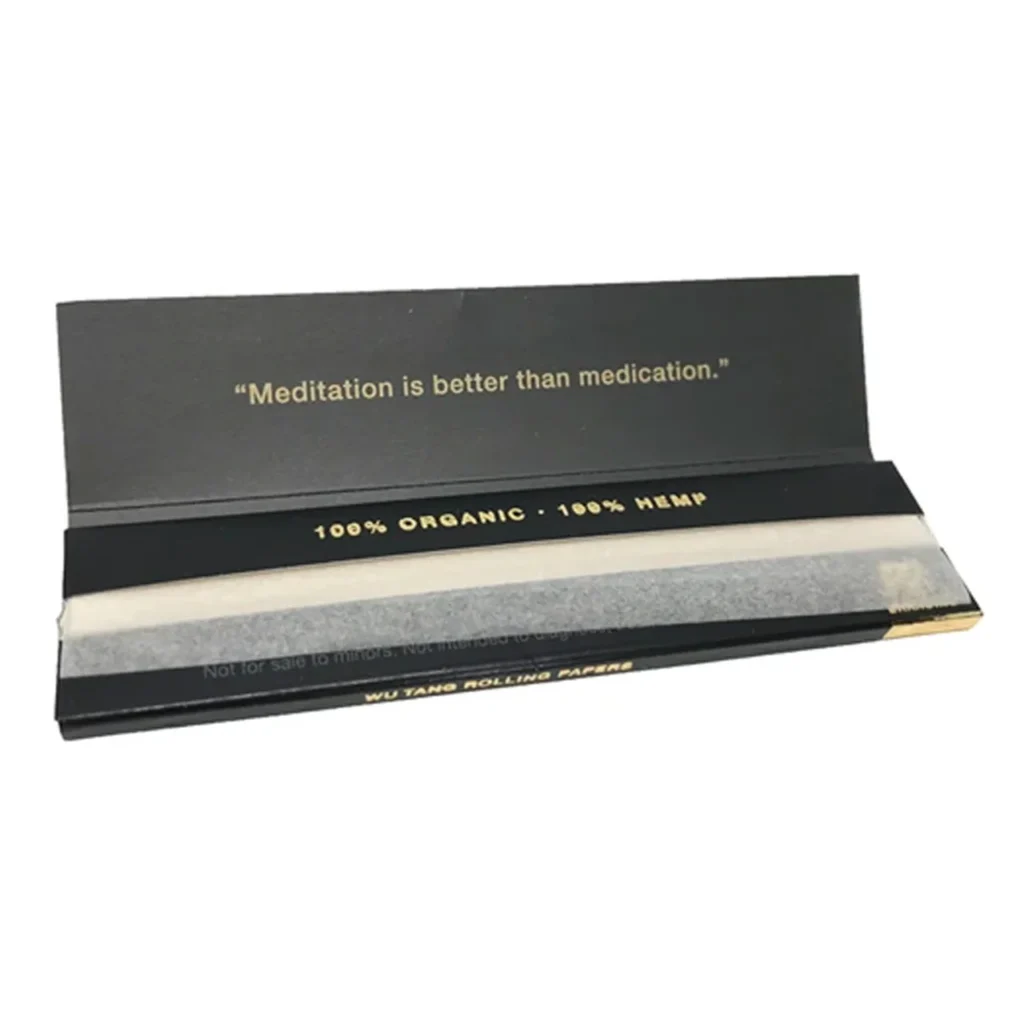
Oct
Rolling your own is a skill worth ten minutes of practice, and everything you need is in our range of rolling papers and accessories. This guide walks through how to roll a joint from scratch: what to gather, how to make a filter tip, the rolling motion itself, and the handful of mistakes that ruin an otherwise good roll. No special talent required.
The short version
- You need papers, a filter tip, a grinder and about half a gram of flower.
- Learn on 1 1/4 hemp papers. Size matters more than material.
- The tuck is the step that takes practice. Everything else is easy.
- Packing too tight is the most common mistake. It should give when squeezed.
- A filter tip is optional but makes the whole job easier.
What you need before you start
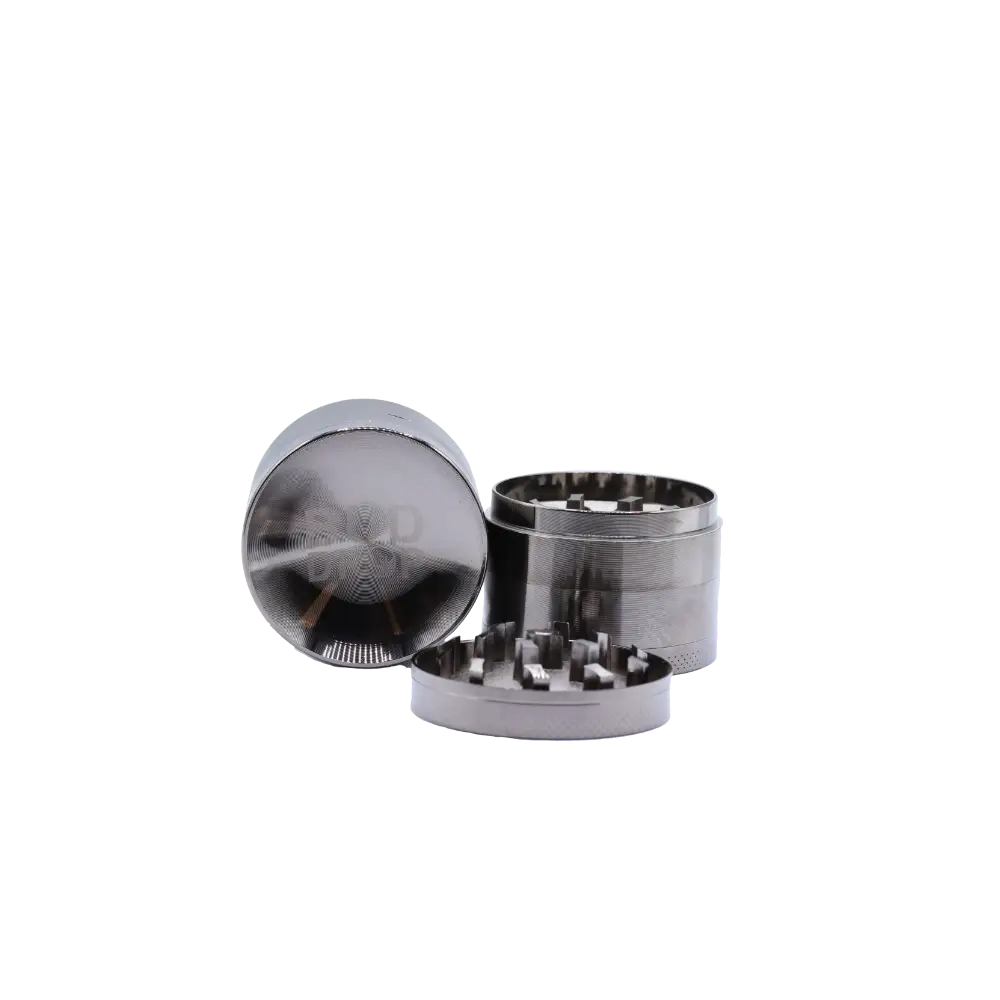
Four things, and only one of them is fussy.
- Rolling papers. One paper per joint, and it is worth having spares while you learn.
- A filter tip. Also called a crutch or a roach. You can buy them pre-cut or make one from card.
- A grinder. You can break flower up by hand, but a grinder gives the even consistency that makes a joint burn evenly.
- Cannabis flower. Around half a gram suits a standard paper. Our cannabis flower range is sold by weight, and if the amounts are unfamiliar our guide to weed measurements explains what a gram and an eighth actually look like.
A flat surface and a tray help more than you would expect. Rolling on a sofa cushion is how flower ends up on the floor.
Rolling papers: sizes and materials
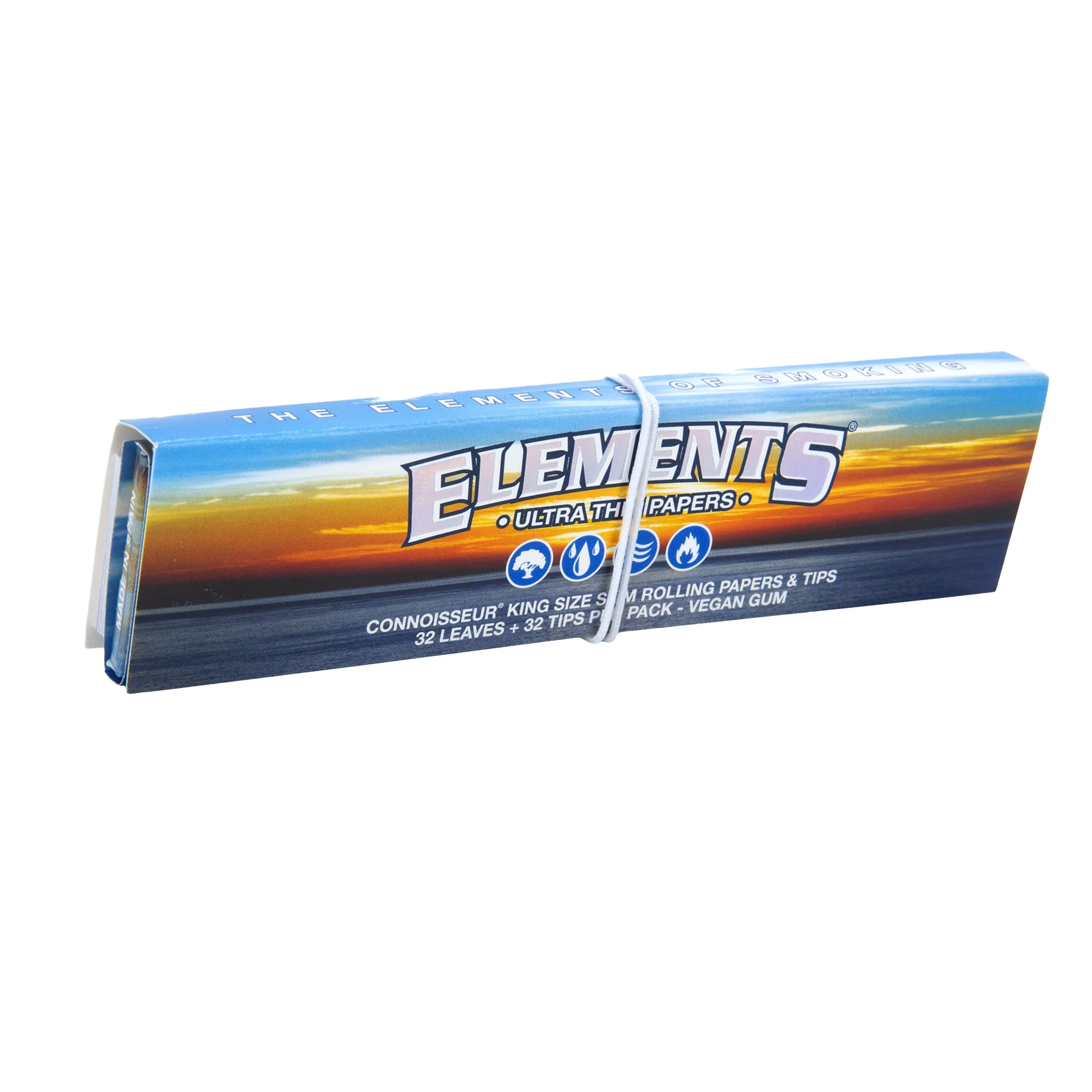
Papers are not interchangeable, and picking the wrong size is the most common reason a first attempt falls apart.
| Size | Rough length | Suits |
|---|---|---|
| Single wide | 70 mm | Small, quick, one person. Hardest to roll for beginners. |
| 1 1/4 | 78 mm | The standard. The easiest size to learn on. |
| King size | 110 mm | Longer, holds more, usually shared. |
| King size slim | 110 mm, narrower | Same length, less paper, burns cleaner. |
Materials matter less than size, but they do change how a paper behaves. Rice papers are thin and burn slowly, and they can be fiddly while you are learning. Hemp papers have a little more grip, which makes them more forgiving. Wood pulp papers are the thickest and the easiest to handle. Unbleached papers simply skip the whitening step.
Start on 1 1/4 hemp papers. They are long enough to work with, grippy enough to hold a shape, and forgiving of a shaky first roll.
How to roll a joint, step by step
Six steps. Read them through once before you start.
- Grind the flower. Aim for an even, fluffy consistency. Large chunks leave air pockets and air pockets become uneven burns.
- Make the filter tip. Take a strip of thin card, make two or three small concertina folds at one end, then roll the rest around them. Aim for roughly the thickness of a pencil.
- Fill the paper. Hold the paper in a U shape, glue strip up and facing you. Put the filter at one end, then spread the flower along the length. Keep it slightly thinner at the filter end and fuller at the tip.
- Shape it. Pinch the paper between thumbs and forefingers and roll it back and forth a few times. This packs the flower into an even cylinder before anything is sealed.
- Tuck and roll. This is the step that takes practice. Tuck the unglued edge of the paper down in front of the flower, then roll upward using the filter as your guide. The filter keeps the end round and gives your fingers something solid to work against.
- Lick and seal. A light, even pass along the glue strip. Too much moisture is worse than too little. Press the seam down along its length, then tap the open end gently on the table to settle the flower and twist the paper closed.
Your first one will be lumpy. Your fifth will be fine.
The tuck, in one line
Tuck the unglued edge down in front of the flower, then roll upward against the filter. If you only practise one movement, practise this one. Everything that goes wrong after a good tuck is recoverable.
How to make a filter tip
A filter is not strictly required, but it changes the job enough to be worth the thirty seconds.
It stops flower pulling through into your mouth, it keeps the end from collapsing as the joint shortens, and it gives you a firm edge to roll against. Rolling without one is noticeably harder, which is why most people who skip it on the first attempt add one on the second.
Any thin, unprinted card works. Business cards, the flap of a paper packet, or the tips that come attached to many paper packs. Make the folds first, roll the rest around them, and let it spring out slightly to grip the paper.
The five mistakes that ruin a joint
Almost every bad roll comes down to one of these.
- Packing it too tight. The most common error by far. A tight joint will not draw, and pulling harder only scorches it. It should give slightly when squeezed.
- Grinding unevenly. Chunks and dust in the same roll burn at different rates, which is what sends a joint running down one side.
- Too much moisture on the glue. A soaked seam tears, and a torn seam cannot be rescued once the flower is in.
- Overfilling. More flower than the paper can close around means you will never get a clean tuck. Less is easier.
- Rushing the tuck. It is the one step that genuinely needs patience. Get the tuck right and the rest follows.
If one side starts burning faster once lit, touch the fast edge with a wet fingertip to slow it down.
Joint, blunt or spliff: the difference
Three words that get used loosely and mean different things.
A joint is cannabis in a rolling paper. That is the whole definition. A blunt is cannabis in a tobacco leaf or a cigar wrap, which is thicker, slower burning and larger, and it carries tobacco with it. A spliff mixes cannabis and tobacco in a rolling paper.
Rolling a blunt follows the same logic as a joint, but the wrap is heavier and less forgiving, so most people learn on papers first. Worth knowing before you buy: a blunt wrap and a spliff both introduce tobacco, and a joint does not.
If rolling is not your thing
Rolling is a skill and not everybody wants one. Our ready-rolled pre-rolls are the same thing done for you, in singles and multi-packs. If you want something stronger than flower alone, infused pre-rolls add concentrate to the mix.
There is no purity test here. Plenty of people who can roll perfectly well still keep pre-rolls in the drawer for convenience.
Buying papers and flower in Canada
Happy Clouds is a Canadian mail-order retailer, so you can order papers, grinders and flower online for discreet shipping across the country. Shipping is free on qualifying orders and every order earns HAPPYPOINTS. Cannabis is legal for adults in Canada under the Cannabis Act, and you must be of legal age in your province to order.
Happy Clouds
Papers, tips, grinders and flower, shipped discreetly across Canada, free on qualifying orders, with HAPPYPOINTS on every order. The accessories range is linked at the top of this guide.
Frequently asked questions
Can you use a rolling machine instead?
Yes, and they are genuinely good if hand rolling is not working out. A small roller produces a consistent cylinder every time and costs very little effort to learn. Hand rolling gives you more control over how tightly it is packed, which is the only real trade-off.
Do rolling papers expire?
Not in the way food does, but the glue dries out over time and old papers can become brittle. Keep them in the packet, out of direct sunlight and away from damp. A packet kept properly stays usable for a long while.
How long does it take to get good at rolling?
Most people are producing something respectable within five or six attempts, and comfortable within a couple of dozen. It is a hand skill rather than a knowledge one, so reading about it only takes you so far. Buy a spare pack of papers and accept that the first few are practice.
What can you use if you have no rolling papers?
Nothing you would improvise is a good idea. Printed paper, newspaper and notebook paper all carry inks and coatings that are not meant to be burned and inhaled. A pipe, a bong or a dry herb vaporiser is the sensible alternative, and any of them will do a better job than a substitute paper.
Further reading: Health Canada on cannabis in Canada · Cannabis laws and regulations (Government of Canada)